
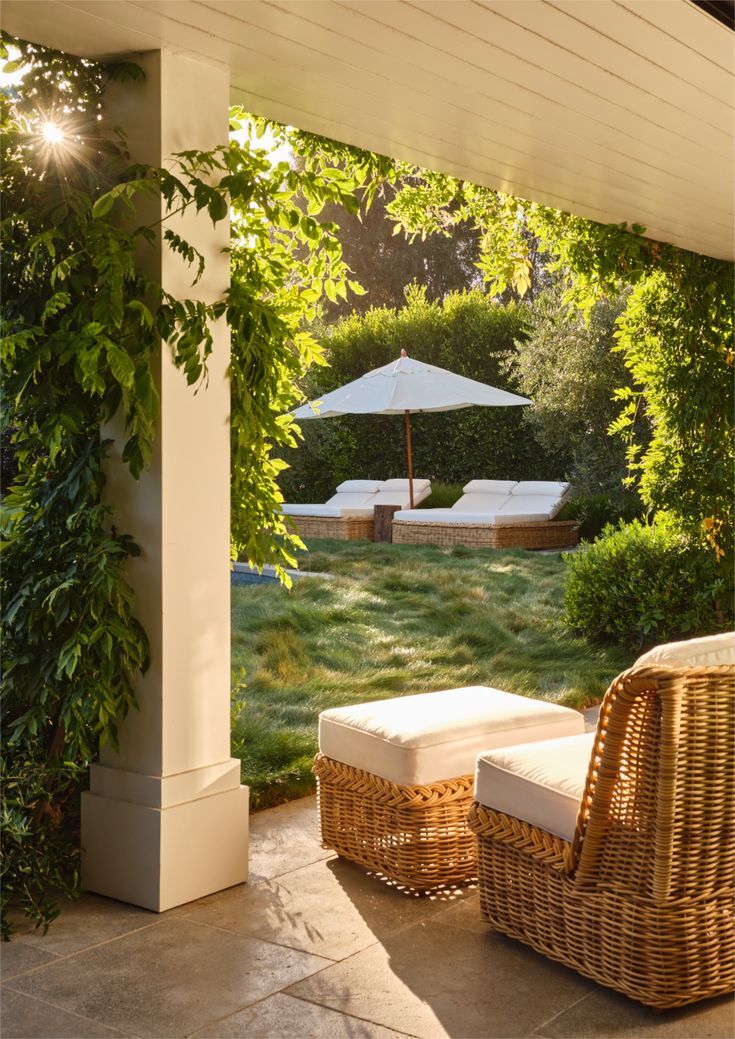
Wicker and rattan are often used as if they mean the same thing. They do not. One describes how furniture is made. The other describes what it is made from. That distinction affects where a piece can be used and how it will perform over time.
In sunrooms, covered verandas, hospitality lounges, and fully exposed patios, material choice influences durability, maintenance schedules, and replacement cycles. Understanding wicker vs. rattan helps clarify whether a piece is suited for indoor use, transitional spaces, or full outdoor exposure.
What Is Wicker?
Wicker is a method of weaving. It is not a material. The term refers to the process of interlacing pliable fibers to create furniture, baskets, and other objects.
Historically, wicker relied on natural materials such as rattan, willow, bamboo, and reed. These fibers were flexible enough to be woven into tight, supportive patterns. Because rattan was widely used for both frames and woven surfaces, the terms wicker and rattan became closely associated. That overlap continues to create confusion.
Today, wicker also describes furniture woven from synthetic fibers. Often called all-weather wicker, these resin-based materials are engineered for outdoor use. They replicate the visual texture of natural weaving while offering greater resistance to moisture, sunlight, and temperature changes.
In outdoor collections such as Wickerworks Classic Outdoor, synthetic wicker is woven over powder-coated aluminum frames. The weaving method remains traditional, but the materials are selected for exterior durability.
What Is Rattan?
Rattan is a natural material. It comes from a fast-growing, vine-like palm native to Southeast Asia. Unlike hollow bamboo, rattan has a solid core. This structure makes it strong yet flexible, which is why it is often used for furniture frames.
The outer skin of the rattan vine is commonly used for binding joints or cut into strands for weaving. As a result, rattan can appear both in the structural frame and in the woven surface of a piece.
As a plant-based material, rattan is porous. Prolonged exposure to rain or high humidity can lead to swelling or surface mildew. Direct UV exposure may dry the fibers and affect color over time. For these reasons, natural rattan performs best in indoor settings or covered outdoor environments where it is protected from sustained moisture.
According to the Food and Agriculture Organization of the United Nations, rattan is one of the most important non-timber forest products in Southeast Asia, widely used in furniture and construction due to its strength and flexibility. Its renewable growth cycle contributes to its appeal in interior applications.
Key Differences Between Wicker and Rattan
The primary distinction in wicker vs. rattan is simple. Wicker describes the weaving technique. Rattan describes the plant material. A piece described as “rattan wicker furniture” is woven in a wicker style using rattan as the material.
Understanding this difference clarifies how furniture will respond to environmental exposure and daily use.
Durability Outdoors: Sun, Rain, and Humidity
Natural rattan and natural wicker are sensitive to prolonged moisture and direct sun. Rain can cause fibers to swell. High humidity may lead to mildew if airflow is limited. Extended UV exposure can dry natural fibers and reduce flexibility over time.
Synthetic all-weather wicker is engineered to address these issues. Resin fibers do not absorb water. They are treated to resist UV degradation and color fading. When woven over aluminum frames, the structure remains stable during rain, heat, and seasonal temperature swings.
The American Society for Testing and Materials establishes durability benchmarks for outdoor furniture performance, including exposure and load testing for commercial environments. In hospitality and high-traffic residential settings, durability depends not only on the weave but also on the underlying frame construction.
In the wicker vs. rattan comparison, outdoor performance is determined by material composition rather than weaving style.
Maintenance and Cleaning
Care requirements vary based on material.
Natural rattan and natural wicker benefit from regular dusting and gentle cleaning with mild soap and water. Surfaces should be dried thoroughly after cleaning. Standing moisture can lead to warping or mildew. Abrasive tools and harsh chemicals can damage natural fibers and should be avoided.
Synthetic wicker is easier to maintain. Most dirt and spills can be removed with mild soap and water. A gentle rinse is often sufficient. Pressure washing and abrasive cleaners are not recommended, as they can damage the weave or compromise protective coatings.
When evaluating wicker vs. rattan for a specific space, maintenance expectations should be aligned with staffing capacity and environmental exposure.
Cost: What Influences Price
Price differences are shaped by construction and materials rather than appearance alone.
Natural rattan pricing reflects sourcing, harvesting, and craftsmanship. Hand-finished frames and detailed weaving increase labor costs. Variations in color and fiber thickness are part of the natural material.
For outdoor wicker furniture, frame construction plays a major role. Powder-coated aluminum frames, high-quality resin fibers, and UV-stable finishes increase initial cost but extend service life. Lower-grade resin or steel frames may reduce upfront pricing but shorten lifespan in exposed conditions.
In the wicker vs. rattan discussion, long-term value depends on build quality and environmental suitability.
Sustainability: Natural and Synthetic Considerations
Rattan is considered a renewable material. It grows faster than many hardwood species and can be harvested without clear-cutting forests when managed responsibly. The FAO identifies rattan as a significant renewable resource that supports rural economies in producing regions.
Its limitation lies in environmental exposure. In settings where moisture and UV exposure are constant, natural rattan may require earlier replacement.
Synthetic wicker is petroleum-based. However, it is engineered for durability in outdoor environments. Longer service life can reduce replacement frequency, which influences overall resource consumption over time.
Sustainability in wicker vs. rattan decisions is closely tied to appropriate use and longevity rather than material origin alone.
Design and Material Expression
Material choice influences texture and visual character.
Natural rattan offers tonal variation and organic texture. Subtle differences in color and grain create individuality in each piece. In interior spaces, this variation contributes warmth and material depth.
Synthetic wicker provides uniformity and broader color control. Neutral tones, darker finishes, and consistent dye lots allow for precise coordination in curated outdoor spaces. This consistency is often valuable in hospitality projects where visual continuity across multiple seating groups is required.
Comfort depends primarily on frame ergonomics and cushion construction. High-density foam cores and performance fabrics designed to resist moisture and fading complete the seating experience in outdoor settings.
For a detailed look at materials and finishes, see the Walters collections for examples of both natural and synthetic applications.
Summary: Wicker vs. Rattan
| Wicker | Rattan | |
| Definition | A weaving method using natural or synthetic materials | A natural vine-like palm material |
| Outdoor Suitability | Depends on the material used; synthetic wicker is suitable for full exposure | Best for indoor or covered outdoor use |
| Durability | Determined by fiber type and frame construction | Strong indoors but vulnerable to prolonged moisture and UV exposure |
| Maintenance | Synthetic wicker is low maintenance; natural wicker requires careful cleaning | Requires protection from moisture and regular care |
| Cost Drivers | Frame quality, resin grade, weaving detail | Material sourcing and craftsmanship |
| Best Use | Patios and poolside when synthetic; interiors when natural | Sunrooms, living areas, covered verandas |
Best Uses by Space
Different environments place different demands on materials. Matching the space to the appropriate construction supports long-term performance.
Patio and Poolside
Synthetic all-weather wicker is appropriate for direct sun and moisture. Resin fibers and aluminum frames resist environmental stress and require limited maintenance.
Covered Porch or Lanai
Transitional spaces may accommodate natural rattan if protected from rain and sustained humidity. Synthetic wicker remains an option when exposure levels vary seasonally.
Sunroom
A sunroom offers protection from direct rain while allowing filtered light. Natural rattan performs well in this setting and develops character gradually over time.
Dining and Hospitality
In high-traffic commercial settings, especially outdoors, synthetic wicker over aluminum frames provides durability and simplified maintenance. Consistency across multiple installations supports visual cohesion.
For outdoor-focused applications, explore the Walters Outdoor Collection to see materials selected for full exterior exposure.
How to Choose the Right Material
Selecting between wicker vs. rattan begins with practical evaluation.
Where will the furniture be used?
Indoor, covered, or fully exposed placement determines material suitability.
What level of exposure is expected?
Direct sun, rain, and humidity increase stress on natural fibers.
What visual character is desired?
Natural variation differs from the uniform appearance of synthetic resin.
How much maintenance is feasible?
Natural materials require more attentive care.
Is long-term durability a priority?
Outdoor installations benefit from engineered materials designed for sustained exposure.
Clear answers to these questions guide appropriate material selection.
Frequently Asked Questions
How can you tell if wicker furniture is natural rattan or synthetic?
Natural rattan shows variation in tone and texture. It feels fibrous and may have subtle irregularities. Synthetic wicker typically has a more uniform surface and consistent color. Frame construction can also provide clues. Outdoor pieces are often woven over aluminum frames.
What insects affect natural wicker?
Natural wicker can attract wood-boring insects if stored in damp conditions. Proper indoor placement and airflow reduce this risk. Synthetic wicker does not provide an organic food source for pests.
Can synthetic wicker remain outdoors in winter?
High-quality synthetic wicker designed for exterior use can remain outdoors in winter conditions. Covering furniture can reduce debris accumulation and extend surface life.
Does rattan change color over time?
Yes. Natural rattan may darken or develop a patina with age and light exposure. This gradual change is part of its aging process.
How do you evaluate quality in wicker furniture?
A tight, even weave without gaps indicates careful construction. Frames should feel stable and balanced. Outdoor pieces should use powder-coated aluminum frames. Overall weight and structural integrity provide insight into long-term durability.
Conclusion: Choosing for the Intended Environment
Wicker describes a weaving method. Rattan describes a natural material. The distinction is practical rather than semantic.
Natural rattan brings texture and warmth to protected interior spaces and covered verandas. Synthetic wicker supports exterior installations where moisture, sun, and daily use require engineered durability.
In the wicker vs. rattan decision, the intended environment should guide the material choice. Selecting based on exposure conditions and maintenance capacity ensures long-term performance and consistent appearance.